
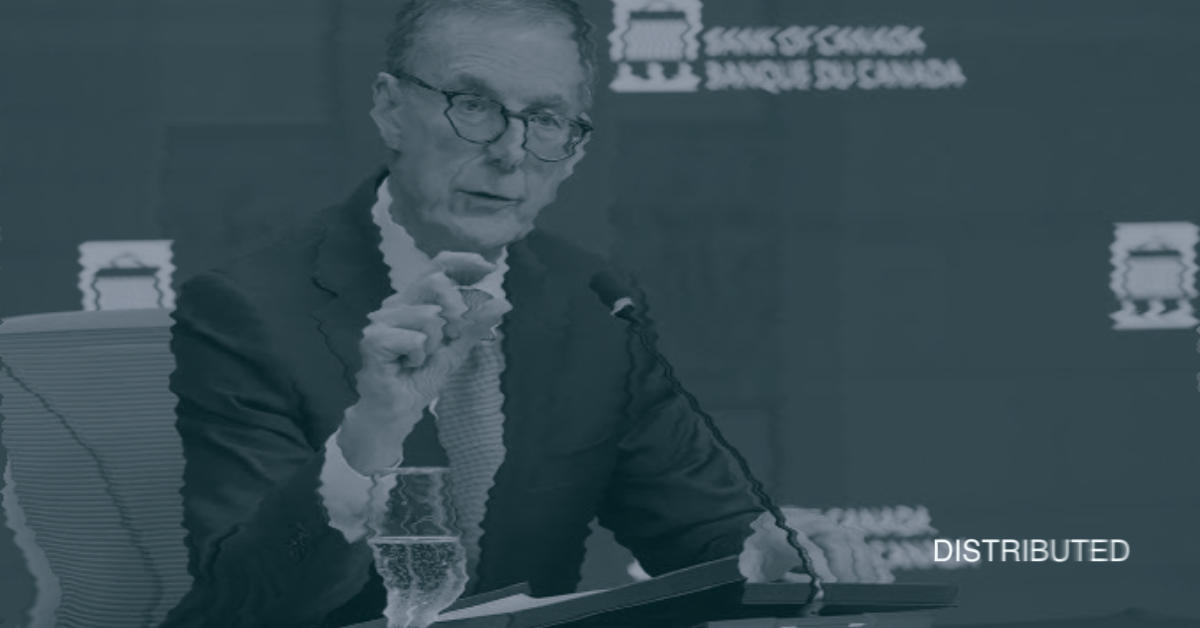
- The region’s regulator has cut bank buffer to 3%, freeing capital for new lending.
- OSFI signals strong bank resilience despite global uncertainties.
Canada’s banking regulator has reduced a key capital requirement for the country’s largest lenders, aiming to support lending and economic activity during a period of global uncertainty. The move marks the first reduction in three years and reflects confidence in the strength of the domestic banking sector.
According to Reuters, the Office of the Superintendent of Financial Institutions (OSFI) lowered the domestic stability buffer (DSB) to 3% from 3.5%, effective immediately. The requirement applies to Canada’s six largest banks: Royal Bank of Canada, TD Bank, BMO, Bank of Nova Scotia, CIBC, and National Bank of Canada.
The DSB requires banks to hold additional capital to absorb losses during financial stress. By lowering the buffer, OSFI allows banks to release capital that can be used to support lending.
OSFI said the decision is based on the banks’ strong ability to absorb potential losses. The regulator added that the change could free up hundreds of billions of Canadian dollars for lending across the economy.
See Related: Kraken Parent Bids For OCC Charter In Federal Crypto Bank Push
Buffer Cut To Unlock Lending
“The opportunities are there for the banks, and we’re getting out of the way,” said OSFI Superintendent Peter Routledge. He added that the regulator aims to provide clarity on capital requirements while leaving deployment decisions to banks.
The move comes as Canada faces uncertainty linked to U.S. trade negotiations, supply chain adjustments, and geopolitical tensions in the Middle East. Increased lending could support investment in sectors such as artificial intelligence and natural resources.
Recent financial results also supported the decision. Canada’s largest banks reported earnings above expectations in the latest quarter, driven by strong domestic operations and capital markets activity. OSFI noted that key risk indicators, including unemployment, consumer delinquencies, and credit losses, have stabilized.
Despite the positive outlook, banks remain cautious. Executives have highlighted that economic conditions will depend on external factors, including trade developments and geopolitical risks, which could affect demand and broader market conditions.

